Hey there! As a bench sander supplier, I often get asked about the recommended operating temperature for these handy tools. It’s a crucial question because the temperature can significantly impact the performance, longevity, and safety of your bench sander. So, let’s dive right in and explore this topic in detail. Bench Sander
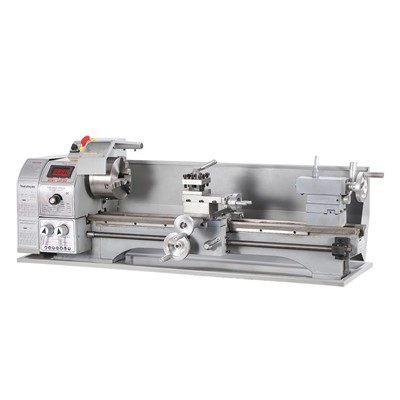
First off, why does the operating temperature matter? Well, a bench sander works by using abrasive belts or discs to smooth, shape, and polish various materials. During this process, friction is generated, which in turn produces heat. If the temperature gets too high, it can cause several problems. For instance, the abrasive material on the belt or disc can wear out more quickly, reducing its effectiveness. High temperatures can also damage the motor and other internal components of the sander, leading to costly repairs or even premature failure.
So, what is the ideal operating temperature range for a bench sander? Generally speaking, most bench sanders are designed to operate within a temperature range of 50°F to 104°F (10°C to 40°C). This range ensures that the sander can function optimally without overheating. However, it’s important to note that this is just a general guideline, and the specific temperature range may vary depending on the make and model of your sander.
Let’s take a closer look at the effects of operating a bench sander outside of this recommended temperature range. If the temperature is too low, the sander may not operate as efficiently. The lubricants in the motor and other moving parts may thicken, making it harder for the sander to run smoothly. This can result in decreased performance and increased wear and tear on the components. On the other hand, if the temperature is too high, the sander can overheat. This can cause the motor to burn out, the belts or discs to warp, and the sander to become less stable. In extreme cases, overheating can even pose a fire hazard.
To ensure that your bench sander operates within the recommended temperature range, there are several things you can do. First, make sure to place the sander in a well-ventilated area. This will help to dissipate the heat generated during operation. Avoid placing the sander in direct sunlight or near a heat source, as this can cause the temperature to rise.
Second, monitor the temperature of the sander during operation. Most bench sanders have a built-in temperature gauge or indicator that can help you keep track of the temperature. If you notice that the temperature is getting too high, stop using the sander and allow it to cool down before continuing.
Third, use the sander according to the manufacturer’s instructions. This includes using the correct abrasive belts or discs, adjusting the speed and pressure as needed, and not overloading the sander. Overloading the sander can cause it to work harder and generate more heat, which can lead to overheating.
Finally, perform regular maintenance on your bench sander. This includes cleaning the sander after each use, lubricating the moving parts, and checking the belts or discs for wear and tear. Regular maintenance can help to keep the sander running smoothly and prevent overheating.
Now, let’s talk about some specific scenarios where the operating temperature can be a concern. For example, if you’re using a bench sander in a hot and humid environment, such as a workshop in the summer, the temperature can rise quickly. In this case, it’s especially important to take extra precautions to ensure that the sander doesn’t overheat. You may need to use a fan or air conditioner to keep the temperature down, or you may need to take more frequent breaks to allow the sander to cool off.
Another scenario where the operating temperature can be a concern is if you’re using a bench sander for extended periods of time. If you’re working on a large project and need to use the sander for several hours at a time, the temperature can build up and cause the sander to overheat. In this case, it’s important to take breaks and allow the sander to cool down periodically. You may also want to consider using a larger or more powerful sander that can handle the workload without overheating.
In conclusion, the recommended operating temperature for a bench sander is typically between 50°F to 104°F (10°C to 40°C). However, it’s important to follow the manufacturer’s instructions and take precautions to ensure that the sander operates within this range. By doing so, you can extend the life of your sander, improve its performance, and ensure your safety.

If you’re in the market for a new bench sander or have any questions about operating temperatures or other aspects of bench sanders, don’t hesitate to reach out. We’re here to help you find the right sander for your needs and provide you with all the information you need to keep it running smoothly.
Wood Lathes References:
- Manufacturer’s manuals of various bench sanders
- Industry standards and guidelines for power tools
YS Machine Tools Co., Ltd.
We’re well-known as one of the leading bench sander suppliers in China, featured by quality products and good service. Please rest assured to buy customized bench sander at competitive price from our factory. Contact us for more details.
Address: 300 Sandusky st, Ohio, 43611, USA
E-mail: yishoumachinetools@gmail.com
WebSite: https://www.ysmachinetool.com/
