When it comes to equipping a yacht with a marine radio, there are several key features that every yacht owner should consider. As a marine radio supplier, I have had the privilege of working with a wide range of yachts and their owners, and I understand the importance of having a reliable and feature – rich marine radio on board. In this blog, I will discuss the essential features of a marine radio suitable for yachts. Marine Radio

1. VHF and DSC Capabilities
One of the most fundamental features of a marine radio for yachts is VHF (Very High Frequency) capability. VHF radios are the standard means of communication on the water, allowing yachts to communicate with other vessels, marinas, and coast guard stations. VHF channels are specifically designated for marine use, ensuring clear and reliable communication within a range of typically 20 – 30 nautical miles, depending on various factors such as antenna height and weather conditions.
Digital Selective Calling (DSC) is an important addition to VHF radios. DSC enables yachts to send and receive distress signals, as well as other pre – programmed messages, in a digital format. In case of an emergency, a DSC – equipped radio can send a distress signal with the yacht’s position, identity, and other vital information to the coast guard and nearby vessels. This significantly improves the chances of a quick and effective rescue. Moreover, DSC also allows for routine calls, such as calling another vessel by its unique Maritime Mobile Service Identity (MMSI) number, which is more convenient and accurate than traditional voice calls.
2. High – Quality Audio
Clear audio is crucial for effective communication on the water. A marine radio suitable for yachts should have high – quality speakers and microphones. The speakers should be able to produce loud and clear sound, even in noisy environments such as when the yacht’s engine is running or in rough seas. This ensures that messages can be heard clearly, whether it’s a distress call or a simple communication with another vessel.
The microphone should also be of good quality, with noise – cancellation features. This helps to reduce background noise and ensures that the user’s voice is transmitted clearly. Some marine radios come with detachable microphones, which can be placed in a convenient location on the yacht, allowing for easy access and better communication.
3. Weather Information
Weather conditions can change rapidly at sea, and having access to up – to – date weather information is essential for the safety of the yacht and its crew. A good marine radio for yachts should be able to receive weather broadcasts. These broadcasts provide information on current weather conditions, forecasts, and warnings. Some radios can even be programmed to alert the user when certain weather conditions are met, such as high winds or approaching storms.
In addition to receiving weather broadcasts, some advanced marine radios can also display weather data graphically, making it easier for the yacht owner to understand and plan their journey accordingly. This feature is particularly useful for long – distance voyages, where accurate weather information can help in avoiding dangerous weather conditions.
4. GPS Integration
GPS (Global Positioning System) integration is another important feature for a marine radio on a yacht. When integrated with a GPS system, the marine radio can automatically transmit the yacht’s position in case of a distress call. This is a significant advantage over non – GPS – integrated radios, as it provides rescuers with accurate location information, which can save valuable time in an emergency.
Moreover, GPS integration can also be used for other purposes, such as tracking the yacht’s route, calculating distances, and determining the speed of the vessel. Some marine radios allow the user to set waypoints and navigate using the GPS data, providing a comprehensive navigation solution on board.
5. Durability and Water Resistance
Yachts are exposed to harsh marine environments, including saltwater, high humidity, and extreme temperatures. Therefore, a marine radio suitable for yachts must be durable and water – resistant. It should be able to withstand the rigors of the sea and continue to function properly in adverse conditions.
Most marine radios are designed to meet certain standards of water resistance, such as IPX ratings. An IPX7 – rated radio, for example, can be submerged in water up to 1 meter for 30 minutes without damage. Additionally, the radio should be made of high – quality materials that are resistant to corrosion and UV damage. This ensures a long lifespan for the radio and reduces the need for frequent replacements.
6. Multiple Mounting Options
Yachts come in various sizes and configurations, and a marine radio should be flexible enough to be installed in different locations on the vessel. There are usually multiple mounting options available, such as flush – mount, bracket – mount, and portable options.
Flush – mount radios are installed directly into the yacht’s dashboard, providing a clean and professional look. Bracket – mount radios can be attached to a wall or a console, which is a more flexible option. Portable radios, on the other hand, can be carried around the yacht and used as needed. This flexibility allows yacht owners to choose the most suitable mounting option based on their specific needs and the layout of their yacht.
7. Channel Memory and Scanning
A marine radio should have a sufficient number of channel memory slots. This allows the user to store frequently used channels, such as those for communication with marinas, other vessels, or coast guard stations. With channel memory, the user can quickly access these channels without having to manually tune the radio each time.
Channel scanning is another useful feature. It allows the radio to automatically scan through a list of pre – programmed channels, listening for any incoming transmissions. This is particularly useful for monitoring multiple channels simultaneously, such as weather channels and communication channels. If a transmission is detected on a scanned channel, the radio will stop scanning and alert the user.
8. Power Options
Yachts have different power systems, and a marine radio should be able to operate on various power sources. Most marine radios can be powered by the yacht’s 12 – volt DC electrical system, which is the standard power source on board. However, some radios also have the option to be powered by batteries, providing a backup power source in case of an electrical failure on the yacht.
The power consumption of the radio is also an important consideration. A radio with low power consumption will help to conserve the yacht’s battery power, especially during long – term use or when the yacht’s engine is not running.
9. User – Friendly Interface
A user – friendly interface is essential for a marine radio on a yacht. The controls should be easy to understand and operate, even for users who are not familiar with marine electronics. The display should be clear and easy to read, with large characters and backlighting for use in low – light conditions.
Some marine radios come with touch – screen interfaces, which provide a more intuitive and convenient way of operating the radio. Others have simple button – based interfaces, which are also easy to use. The key is to choose a radio with an interface that suits the user’s preferences and level of technical expertise.
10. Compatibility with Other Equipment
A marine radio should be compatible with other equipment on the yacht, such as radar systems, chartplotters, and autopilots. This allows for seamless integration and data sharing between different devices. For example, a radio can receive position data from a chartplotter and use it for DSC distress calls. It can also display radar information on its screen, providing a more comprehensive view of the surrounding area.
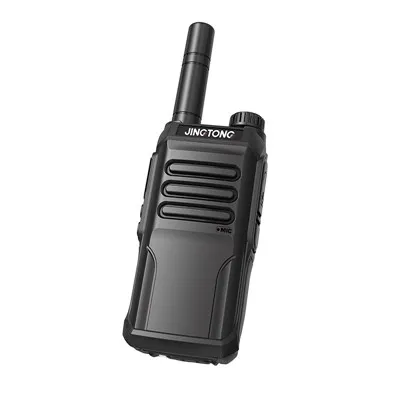
In conclusion, a marine radio suitable for yachts should have a combination of these features to ensure reliable communication, safety, and convenience on the water. As a marine radio supplier, I am committed to providing high – quality radios that meet the needs of yacht owners. If you are in the market for a marine radio for your yacht, I encourage you to contact me to discuss your specific requirements and explore the options available. I am here to help you make an informed decision and ensure that you have the best marine radio for your vessel.
Marine Radio References:
- "Marine VHF Radio Handbook" by various authors
- "Yacht Equipment and Systems" published by a well – known marine industry publisher
- Technical specifications and user manuals of leading marine radio brands
Jingtong (Quanzhou) Electronics Co., Ltd.
We are one of the most professional marine radio manufacturers and suppliers in China, specialized in providing high quality customized service. We warmly welcome you to buy durable marine radio made in China here from our factory. For price consultation, contact us.
Address: No.288, Si Huang Industry Zone, Xia Mei Town, Nan An, Quanzhou, Fujian province, China 362302
E-mail: jtdjj@jtdjj.com
WebSite: https://www.jteradio.com/
