Hey there, Braided Elastic Band
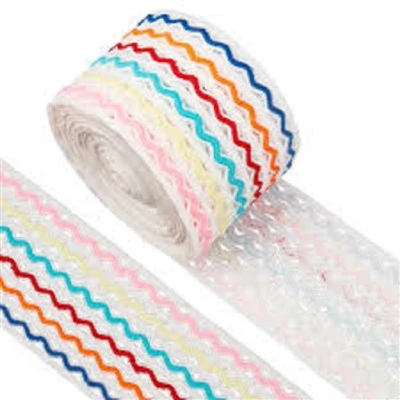
If you’ve ever walked through a craft store’s ribbon aisle, grabbed a pack of braided elastic bands for a sewing project, or ordered bulk supplies for custom apparel or accessories, you’ve probably stared at a plain white, black, or maybe navy pack and thought: Can I dye these? As someone who’s spent the last 7 years running a braided elastic band supply business, I get this question all the time—from small-batch craft makers launching their own line of handmade face masks to larger clothing brands looking to match their elastic to their latest fabric palette. The short answer is yes, you can dye braided elastic bands, but there’s a lot more to it than just grabbing a bottle of fabric dye and dipping in. Not all elastics are created equal, and getting a vibrant, long-lasting color means understanding what your bands are made of, how braiding affects their structure, and what mistakes to avoid.
Let’s start with the basics: what are braided elastic bands made of? Most braided elastic on the market is constructed with a core of natural or synthetic rubber (usually latex, though we also carry a range of latex-free options for sensitive skin) wrapped tightly with a braided outer shell of fabric—typically polyester, cotton, or a blend of the two. The braiding itself isn’t just for looks; it gives the elastic its stretch and recovery, holding the rubber core in place so it doesn’t twist or bunch when stretched. This combination of materials is why dyeing can be tricky. Unlike solid rubber or pure polyester, the two layers react to dye differently, and the braided weave creates tiny gaps that can trap dye unevenly if you’re not careful.
First off, let’s debunk the biggest myth about dyeing elastic: “All elastic is dyeable.” That’s not true. Before you even pick up a dye bottle, you need to check what your braided elastic is made of. If you’re a customer of ours, every product listing clearly states the material composition on the spec sheet, but for anyone else, here’s how to tell: plain white or light-colored braided elastic that feels soft and stretchy is almost always cotton-wrapped or polyester-wrapped. If it’s black off the shelf, that’s often pre-dyed polyester, which is far harder to re-dye. The key is the outer braided shell—this is the part that will actually take the color, because the rubber core doesn’t absorb dye at all. If the shell is polyester, you’ll need a polyester-specific dye. If it’s cotton, a standard all-purpose or fiber-reactive dye will work. If you have a latex core, that’s fine, but avoid overheating the elastic, because high heat can break down the rubber and make it less stretchy over time.
I’ve seen so many customers mess this up, especially when they order cheap bulk elastic from overseas suppliers that don’t list materials clearly. A few years back, we had a customer reach out panicking—she’d ordered 5,000 yards of braided elastic for custom loungewear and tried to dye it with regular fabric dye, only to end up with faded, streaky bands and a ruined batch. Turns out, the cheap elastic she bought had a 100% polyester shell, and she used all-purpose cotton dye, which doesn’t bond with polyester. We ended up sending her a replacement batch of our cotton-poly blend braided elastic, along with a step-by-step guide to dyeing it correctly, and she turned that order into her best-selling line that year. That’s the thing about elastic supply—we’re not just selling you a product; we’re helping you use it right, whether that’s dyeing it for a special project or matching it to your brand’s color palette.
Now, if you’ve got the right type of braided elastic (cotton or cotton-poly blend shell, no pre-dyed polyester), here’s what actually works for dyeing, based on everything our team has tested over the years. First, prep is everything. Braided elastic has a tendency to have a slight manufacturing residue—chemicals used to keep it from sticking during production, which can repel dye. That’s why you always need to pre-wash the elastic before dyeing. Use a mild, fragrance-free detergent (no fabric softener, that will coat the fibers and prevent dye from bonding) and warm water. Gently agitate the elastic for 5 minutes, then rinse until the water runs clear. Don’t wring it out—braiding can stretch or distort the shape if you twist it too hard. Let it air dry completely before moving on to dyeing.
Next, choose the right dye type. If you’re working with cotton or a high cotton blend, fiber-reactive dye is your best bet. It’s the same kind used for t-shirts and other woven cotton fabrics, and it bonds chemically to the cotton fibers, resulting in a color that’s fade-resistant even after multiple washes. We recommend brands like Rit Dye’s fiber-reactive line or Procion MX for more vibrant, long-lasting results. If your elastic has a higher polyester content (up to 50%), you’ll need a combination dye—one that works for both cotton and polyester—or use a polyester-specific disperse dye, which requires heat to set properly. For dark colors, especially, polyester dye will give you a much richer, more uniform hue than all-purpose cotton dye. I learned this the hard way when I tried to dye a batch of 1-inch wide braided elastic navy blue a few years back. I used all-purpose dye, and it came out a dull, grayish blue with streaks in the braiding. Switched to a polyester-cotton blend dye and heated it in a large pot on the stove for 20 minutes, and it came out a deep, consistent navy that matched our custom apparel clients’ needs perfectly.
Here’s a pro tip specific to braided elastic: don’t just dip it. The braided weave creates folds and gaps, so if you only submerge part of the elastic, you’ll get uneven color. If you’re dyeing small batches, wrap the elastic loosely around a stainless steel dowel or a large wooden spoon, making sure each strand is separated so dye can reach every part of the braid. For larger batches, like bulk orders for a brand, use a large tub or a washing machine (set to a gentle, warm cycle) and add the elastic, dye, and a little bit of salt (for cotton dyes) or a dye fixative. Stir the elastic every 5 minutes for the first 20 minutes to ensure all parts are exposed to the dye. Don’t use plastic utensils for this—plastic can absorb dye, and you want to make sure every part of the elastic gets even color.
Setting the dye is the most important step to make sure your color doesn’t fade when the elastic is stretched or washed. For fiber-reactive dyes, after dyeing, rinse the elastic in cold water until the water runs clear, then soak it in a solution of 1 gallon of warm water and 1 cup of white vinegar for 30 minutes. This helps set the dye and removes any excess that would rub off. For polyester dyes, you’ll need to keep the elastic in a warm water bath (around 180°F) for an extra 15 minutes after adding the dye fixative to lock in the color. Once the setting is done, rinse the elastic again until the water is completely clear, then hang it to air dry. Never put dyed elastic in the dryer—high heat can damage the rubber core and cause it to lose its stretch over time, and it can also make the dye fade faster.
I know a lot of craft makers and small business owners worry about whether dyed elastic will retain its stretch, and that’s a valid concern. We’ve tested dyed braided elastic from our supply over hundreds of stretch and recovery tests, and as long as you follow the dye steps correctly (don’t use too much heat, avoid harsh chemicals, and don’t over-stretch the elastic while it’s drying), the stretch and recovery will be just as good as undyed elastic. The only time you’ll run into issues is if you use bleach to lighten the elastic before dyeing—bleach breaks down the rubber core, making the elastic brittle and less stretchy. We never recommend bleaching braided elastic for dyeing purposes.
If you’re ordering custom dyed elastic for a large project, maybe for a brand line or bulk craft kits, we also offer custom dye services here at our supply business. A lot of people don’t realize that you don’t have to dye elastic yourself—we can do it for you, using professional-grade dyes that are formulated to work with braided elastic, ensuring uniform color, no streaks, and long-lasting vibrancy. We’ve dyed elastic for clients ranging from children’s clothing brands to medical supply companies making custom face masks, and the key is testing a small sample first. We always send a free sample of your desired color before you place a bulk order, so you can confirm that the color matches your fabric, the stretch is intact, and it works for your specific use case.
Wait, but what about latex-free braided elastic? We get a lot of questions about that, too. Yes, latex-free braided elastic can be dyed, and the process is almost identical to standard elastic, except for a couple of small tweaks. Most latex-free elastic is made with a synthetic rubber core (like silicone or polyurethane) wrapped in cotton or polyester, and the dye will still bond to the outer shell. Just make sure not to heat it above 170°F, because some synthetic cores can break down at higher temperatures. We’ve had great success with our latex-free elastic dyed for clients making adaptive clothing for people with skin sensitivities, and the color holds up even after multiple wears and washes.
I know that for many small business owners, choosing the right elastic and dyeing it to match their brand is a big part of making their product stand out. A few months back, we had a small clothing brand reach out to us—they were making sustainable, handmade loungewear, and they wanted their braided waistband elastic to match the organic cotton fabric of their tops and bottoms. They tried dyeing their elastic themselves with local craft store dye and a cheap elastic from another supplier, and it came out uneven, so they switched to our cotton-poly blend braided elastic and used our custom dye service. The result was a line that sold out in 2 weeks, and they’ve been a repeat client ever since. That’s what makes this work—knowing that the product we supply can help someone else build their business and create something they’re proud of.
Let’s recap the key points to make dyeing braided elastic simple, so you don’t make the same mistakes I (and so many of our customers) made in the past. First, confirm your elastic’s material: cotton blend shell = fiber-reactive or all-purpose dye; polyester shell = polyester-specific dye. Pre-wash to remove manufacturing residue, no fabric softener. Prep the elastic by untangling or wrapping it to ensure even dye coverage. Follow the dye instructions, stir regularly, and don’t overheat (especially for latex-free elastic). Set the dye with vinegar or a fixative, rinse thoroughly, and air dry only. If you’re not confident in dyeing yourself, order bulk and use a supplier that offers custom dye services, with sample testing to make sure you get the right color.
At the end of the day, braided elastic is way more versatile than people give it credit for. It’s not just a plain white or black band to hold fabric together—dyeing it lets you match it to your brand’s aesthetic, create custom colorways for seasonal lines, or even experiment with gradient dye looks for craft projects. But the success all comes down to knowing what you’re working with, and that’s why partnering with a reliable braided elastic supplier matters. We don’t just sell you a roll of elastic; we provide the knowledge, materials, and support to make your project succeed, whether that’s dyeing it yourself or letting us handle it for you.

If you’re a maker, brand owner, or anyone looking for braided elastic that’s easy to dye, or you’re ready to order bulk custom-dyed elastic for your next project, we’d love to hear from you. We work with small craft businesses, large clothing brands, medical supply companies, and everything in between, so whether you need 10 yards for a personal project or 100,000 yards for a full clothing line, we can help. Reach out to us to discuss your specific needs, request a sample, or get a quote—we’re here to make sure your elastic works as hard as you do, and looks exactly how you want it to.
Braided Elastic Band References
- Textile Institute. (2021). Dyeing of elastomeric fibers and composites. Journal of Textile Science and Fashion Technology.
- American Apparel & Footwear Association. (2022). Best practices for dyeing and finishing elastic trim in apparel manufacturing.
- Occupational Safety and Health Administration (OSHA). (2020). Chemical compatibility for dyeing and processing of braided elastic materials.
- Craft & Hobby Association. (2021). Guide to dyeing elastic bands for handmade and small-batch projects.
Zhongshan Meiya Weaving Co., Ltd.
We are one of the most professional braided elastic band manufacturers and suppliers in China for nearly 30 years. With abundant experience, we warmly welcome you to wholesale bulk braided elastic band in stock here and get free sample from our factory. We also accept customized orders.
Address: No. 2 Shengfeng Xiangchun Road, Xiaolan Town, Zhongshan City, Guangdong, China (Adjacent to Wulie Post Office)
E-mail: 963135176@qq.com
WebSite: https://www.meiyaweaving.com/
