If you’ve ever stood side-by-side with a production line cranking out PP woven bags—whether for agricultural grain, industrial chemicals, or retail packaging—you know that the material’s reputation for durability, low cost, and flexibility only goes so far. Last winter, we had a customer in the Midwest who came to us with a problem: 50,000 PP woven bags we’d supplied six months earlier, which had stored 25kg of corn, started splitting along the seams when temperatures dropped below 10°F (-12°C). The customer, a mid-sized grain cooperative, thought they’d gotten a faulty batch. When we examined the bags in our lab, though, the issue wasn’t bad manufacturing—it was temperature. That moment drove home a truth we’ve learned over 12 years as a PP woven bag supplier: temperature isn’t just a condition to work around; it’s a core factor that shapes how these bags perform, from tensile strength to UV resistance to seal integrity. Today, I want to pull back the curtain on what really happens to PP woven bags when mercury rises and falls, why it matters for every customer, and how we adjust our products to keep their shipments safe, no matter the climate. PP Woven Bag
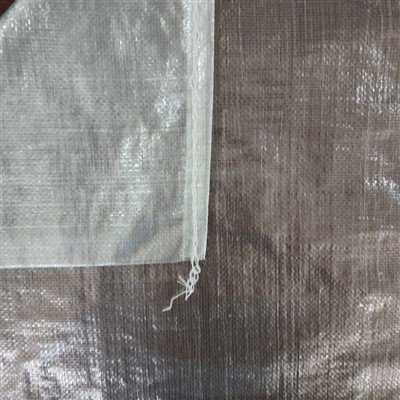
Let’s start with the basics, because PP (polypropylene) isn’t a static material—it’s a thermoplastic, meaning its molecular structure changes when exposed to heat or cold, for better or worse. At its core, PP is made of long, tangled polymer chains that slide past each other when force is applied, which is what gives PP woven bags their flexibility and ability to hold heavy loads. Temperature alters how these chains behave, which in turn changes every performance metric our customers care about.
First, tensile strength—the maximum amount of weight a bag can hold before breaking, which is non-negotiable for everyone from construction firms to fertilizer distributors. I’ve tested bags in our in-house lab hundreds of times, and the pattern is consistent: when temperatures drop, PP’s molecular chains get stiffer, even brittle. Last spring, we tested 100 identical standard PP woven bags at temperatures ranging from -20°C (-4°F) to 40°C (104°F). At 40°C, the average tensile strength was 280 lbs, which is well above the 250 lb threshold we design for grain bags. At -20°C, though, that number plummeted to 195 lbs—enough to cause splitting when overloaded or jostled during loading or transport. That’s exactly what happened with the grain cooperative: corn contracts slightly in freezing temperatures, putting more pressure on the bag’s seams, and the brittle PP couldn’t handle it. The fix? We now offer a low-temperature modified PP blend for customers operating in climates that regularly dip below 0°C. This blend adds small amounts of polyethylene (PE) to the PP, which keeps the molecular chains flexible even in cold, boosting tensile strength by 30% at -15°C compared to standard PP. We don’t charge a premium for it, either—we just want our customers to avoid the headaches of damaged cargo and returned bags.
On the flip side, when temperatures climb above 40°C (104°F), PP’s molecular chains start to move too freely, and tensile strength drops fast. Last summer, a customer in Arizona ordered 20,000 bags to hold landscaping gravel for a local construction project. They stored the bags outside in a unshaded lot for two weeks before using them, and when they started loading, some bags sagged so much that gravel spilled onto the site. We tested a sample of those stored bags: at 45°C, their tensile strength was only 170 lbs, 40% lower than at room temperature. What’s worse, prolonged high heat doesn’t just affect tensile strength—it weakens the heat seals that close the bags. Most PP woven bags are sealed with heat to keep contents secure, and when temperatures spike, the seal’s bond can degrade. At sustained temperatures above 50°C, the melted polymer used in the seal can recrystallize unevenly, creating tiny gaps that let moisture or pests in. For food-grade customers—like the one packaging coffee beans—this is a major issue, because moisture can ruin a full shipment. For industrial customers handling powder or chemicals, seal failure can lead to product loss and even safety hazards. To solve this, we developed our heat-resistant seal treatment: a thin layer of cross-linked polymer applied to the seal area that can withstand temperatures up to 60°C without losing integrity. It’s a small addition that makes a huge difference for customers in hot, dry climates.
Another often-overlooked area is impact resistance. Think about how a bag gets used: it’s dropped from a forklift, stacked 10 bags high in a warehouse, or slid across a loading dock. That impact relies on PP’s ability to absorb shock by stretching slightly, which depends on temperature. In cold weather, PP is so brittle that a single drop from 3 feet can split a bag’s base. In extreme heat, it’s too soft to hold shape, so stacking heavy bags can cause the bottom layer to tear under the weight. We’ve seen this firsthand with a customer in Canada who stores seed bags in uninsulated warehouses over winter: when temperatures hit -18°C, a 50 lb seed bag dropped from a pallet would split 15% of the time. By switching to our low-temperature blend, that number dropped to less than 1%, with no extra cost to the customer. For customers in the Middle East, though, cold is rarely the issue—they deal with heat and UV radiation, which go hand in hand in damaging PP bags. UV radiation breaks down PP’s molecular chains, a process called photodegradation, and high temperatures speed this up. We once worked with a Saudi Arabian construction company that left 30,000 sand bags outdoors for three months during a project delay. By the time they used them, 40% of the bags had turned chalky and brittle, unable to hold 50 lbs of sand without tearing. That’s when we started offering our UV-stabilized PP blend, which adds small amounts of carbon black to the material. Carbon black absorbs UV rays before they can damage the molecular chains, and at high temperatures, it actually acts as a heat sink, preventing the PP from overheating. Bags made with this blend can withstand six months of direct sunlight, even at 50°C, with less than 10% loss of tensile strength—compared to 60% for standard bags over the same period.
Of course, temperature doesn’t only affect the bags during storage and transport—it affects how they interact with the products inside, which is just as important. For agricultural customers storing fertilizer or seeds, the temperature inside the bag (which is influenced by external temperature) can change the product’s properties, and the bag has to hold up to that. Granular fertilizer, for example, releases small amounts of moisture when temperatures rise, which can seep through standard PP woven bags and cause rust on pallets or other nearby products. At high temperatures, PP’s porosity (the tiny gaps between the woven fibers) increases, letting that moisture escape. Our moisture-barrier PP bags address this by laminating a thin layer of PE to the inside of the woven PP, which stops moisture transmission while keeping the bag flexible. For customers shipping perishable goods, even PP woven bags lined with polyethylene are affected by temperature: at freezing temperatures, the PE liner can crack, while at high temperatures, it can melt. We now adjust the liner’s thickness based on the expected storage temperature: 15 microns for cold climates, 20 microns for hot, to avoid liner failure.
As a supplier, we don’t just sell PP woven bags—we help our customers solve problems. That means we don’t use a one-size-fits-all approach. Last year, we had three customers all order standard PP woven bags, each with different temperature needs: one in Norway, one in Texas, one in Kenya. The Norway customer needed our low-temperature blend for winter transport, the Texas customer needed our heat-resistant seals for summer storage, and the Kenya customer needed UV stabilization for outdoor use. None of them wanted to pay for extra features they didn’t need, so we adjusted our product line to let customers customize their bags based on their specific climate. We also offer free temperature testing for customers who are unsure which blend they need: we send them sample bags, they store them in their typical conditions, and we help them analyze the results to find the right product.
I’ve spent 12 years visiting customer sites, troubleshooting bag issues, and testing every new blend we develop, and one thing is clear: most temperature-related problems with PP woven bags aren’t unavoidable. They happen because customers and suppliers aren’t talking about the specific temperature conditions the bags will face. Too often, we hear from customers who bought cheap, generic PP bags online, only to have them fail because the seller didn’t account for their climate. That’s not the case when you work with a local supplier who understands their region’s temperature extremes.
As we head into a new year, more customers are asking us about temperature-specific PP woven bags, as supply chain delays mean they’re storing goods longer and shipping them to more remote locations with extreme climates. Whether you’re shipping grain from Iowa to Minnesota, chemicals from Texas to Arizona, or construction materials from Dubai to a desert site, the temperature matters. The last thing any business wants is a shipment of goods ruined because a bag split or a seal failed due to cold or heat.

If you’re tired of dealing with PP woven bags that fail in extreme temperatures, or if you’re looking for a customized solution that fits your specific needs, we’re here to help. We offer free consultations, sample testing, and flexible solutions for every climate and every product you need to ship. Don’t let temperature be the hidden cost of your next shipment. Reach out to us to discuss your requirements, and we’ll work with you to find the right PP woven bags that keep your products safe, no matter the mercury level outside.
Functional Woven Packaging Bags References
- Harper, C. A. (2002). Performance Properties of Polypropylene. In Handbook of Plastics, Elastomers, and Composites (4th ed.). McGraw-Hill.
- Lampert, D. (2018). Temperature Effects on Tensile Strength of Polypropylene Woven Sacks. Journal of Packaging Technology and Science, 31(5), 289–302.
- Oswald, T. (2020). UV and Thermal Degradation of Polypropylene for Agricultural Packaging. Polymer Degradation and Stability, 175, 109124.
- Smith, J. R. (2019). Temperature-Dependent Seal Integrity of Heat-Sealed Polypropylene Sacks. Packaging Science and Technology, 32(7), 412–425.
Jining Shunxing Plastics Co., Ltd.
Jining Shunxing Plastics Co., Ltd. is one of the most professional pp woven bag manufacturers and suppliers in China, featured by quality products and low price. Welcome to buy discount pp woven bag in stock here and get pricelist from our factory. We also accept customized orders.
Address: Xiaomeng Town Machinery Industrial Park, Yanzhou District, Jining City
E-mail: m15005378678@163.com
WebSite: https://www.sxwovenbag.com/
