If you’ve been following the stainless steel plate sheet space lately, you’ve probably noticed that the market isn’t just churning out the same 304 and 316-grade stock it has for decades. As a supplier that’s worked with everything from architectural fabricators to food processing plant operators for 12 years, I’ve seen first-hand how shifting industry demands, regulatory pushes, and technological advances are reshaping what customers ask for, and how we deliver it. Today I want to break down the key trends I’m seeing, why they matter, and what this means for anyone looking to source stainless steel plate sheet in the months and years ahead. Stainless Steel Plate Sheet

First up, the biggest shift I’ve observed is the growing demand for high-performance, custom-grade stainless steel tailored to niche use cases, rather than one-size-fits-all inventory. A few years ago, most of our clients would call and ask for standard 304 or 316 plate in a common thickness, ready to ship from our warehouse. Now? We’re getting a lot more requests for grades like 2205 duplex stainless steel for offshore oil and gas applications, or molybdenum-enhanced 317L for chemical processing facilities that work with highly corrosive acids. I just wrapped up a 3-month project supplying 500-tonnes of custom-cut 316L plate with precision edge finishes for a brewery expanding its fermentation and storage tanks—something we wouldn’t have taken on regularly 5 years ago. That project required working directly with the client’s engineering team to adjust plate thickness to meet their pressure requirements, and delivering material that met strict food-grade standards set by the FDA, right down to the surface roughness of the sheet.
Why is this happening? Simply put, end-use industries are pushing for more specialized materials to reduce costs and extend asset life. For example, the wind energy sector has started using duplex stainless steel plate for offshore turbine components because it has twice the strength of standard 304, which means smaller, lighter parts that cut installation and fuel costs. Meanwhile, the marine industry is moving away from coated steel for ship hulls and offshore platforms because those coatings degrade over time, leading to higher maintenance. Stainless steel, while initially more expensive, has a far longer service life—often 20+ years versus 10 or less for coated alternatives. Clients are now willing to pay a premium for custom grades that fit their specific needs, rather than settling for a material that works okay but doesn’t optimize their operations.
Next, sustainability isn’t just a buzzword anymore—it’s become a non-negotiable requirement for most of our clients, especially large corporations and government entities. Over the past 5 years, I’ve seen a 40% increase in requests for stainless steel plate sheet with high recycled content. Back in 2018, only a handful of eco-conscious clients would ask about this; now, almost every new major project includes a sustainability clause that prioritizes materials with recycled content. The good news is that stainless steel is one of the most recycled materials on the planet—we recycle over 85% of all stainless steel products, and our suppliers now offer plate with up to 95% recycled content, mostly from post-consumer scrap like old appliances and industrial offcuts.
What’s driving this? First, regulatory pressure. The EU’s Circular Economy Action Plan and the US Inflation Reduction Act now offer tax incentives and preferential purchasing rules for materials with high recycled content, so clients are scrambling to source compliant materials. Second, corporate social responsibility (CSR) targets. Brands like Nike, Patagonia, and major food distributors have set goals to reduce their carbon footprint by 20-30% by 2030, and their supply chains are a big part of that. For example, a large snack manufacturer I supply recently switched all its processing equipment plate to high-recycled-content stainless steel, not because it was cheaper, but because it helped them meet their CSR targets and market their products as more sustainable. Even smaller clients, like local construction contractors, now highlight the recycled content of their materials when bidding for municipal projects, because cities are increasingly requiring contractors to use eco-friendly building materials.
Another trend that’s been huge for our business is the adoption of advanced processing technologies for stainless steel plate sheet, particularly precision cutting, laser etching, and surface finishing. Ten years ago, if a client needed plate cut to a specific size, we’d send it to a third-party shop that would take 2-3 weeks to finish the job, with a risk of errors that required reworking. Now, we have in-house laser cutting and waterjet cutting capabilities, and we partner with trusted local fabricators to offer precision cutting down to tolerances of 0.1mm—something that’s critical for industries like aerospace and medical equipment manufacturing.
We’ve also invested heavily in surface finishing technology. For example, a medical device maker recently asked us for 316L plate with a polished, grain-free finish that meets biocompatibility standards for surgical implants. Our new electropolishing system lets us deliver that finish without the rough edges or impurities that come with traditional grinding, cutting the client’s processing time by half and reducing the risk of contamination in their products. For architectural clients, we can now offer textured finishes, colored coatings, and even custom printed designs on stainless steel sheet—something that’s become popular for high-end building facades and interior design projects. This shift isn’t just about convenience; it’s about adding value. Clients are willing to pay more for materials that arrive ready to use, without needing additional processing, which saves them time and labor costs.
One trend that’s a bit more challenging but that we’ve had to adapt to quickly is the volatility in raw material pricing and supply chain delays. Over the past two years, we’ve seen nickel and chromium prices fluctuate by up to 60% due to global supply chain issues, trade disputes, and geopolitical tensions (like the conflict in Ukraine, which disrupted the global supply of titanium and some nickel alloys). This has forced us to be more transparent with our clients about pricing, and to offer flexible ordering options, like locking in prices for 30 or 90 days, rather than just quoting spot prices. We’ve also built relationships with multiple suppliers across North America, Europe, and Asia to reduce reliance on a single source. For example, we now get some of our 2205 duplex plate from a supplier in Sweden and some from a supplier in South Korea, so if one has a delay, we can switch to the other without disrupting our clients’ projects.
This volatility has also led to a rise in short lead times for critical projects. Clients can’t afford to wait 6-8 weeks for stainless steel plate sheet when a production line is down or a construction project is on a tight deadline. That’s why we’ve expanded our warehouse inventory over the past two years, stockpiling the most commonly used grades (304, 316, 2205) in standard thicknesses and sizes, so we can ship orders same-day or next-day for local clients. We’ve also started offering emergency delivery services for clients who need material in 24 hours or less for urgent projects.
Looking ahead, the trends I’m seeing now will only accelerate in the next 5 years. I think we’ll see even more demand for ultra-high-strength, low-weight stainless steel grades tailored for electric vehicles (EVs), renewable energy, and advanced manufacturing. EV makers are already using stainless steel plate for battery casings and chassis components because it’s lightweight, corrosion-resistant, and can handle high temperatures. As more EVs hit the road, that demand will skyrocket. We’ll also continue to see a push for even higher recycled content—targets of 90% or more by 2035 aren’t out of the question, as steelmakers invest in new recycling technologies.
Another upcoming trend is digital integration in the supply chain. More clients want to track their orders in real-time, from the moment the stainless steel plate is rolled at the mill to when it’s delivered to their facility. We’ve started using a customer portal that lets clients check order status, view material test reports, and even request custom cuts or finishes online, which has cut down on communication delays and errors. In the future, I expect we’ll use more data analytics to forecast demand, so we can stock the right materials at the right time, reducing lead times even further and minimizing waste.
For anyone working with stainless steel plate sheet, these trends mean that the old way of doing business—stocking only standard grades, offering limited processing, and operating with opaque pricing—is no longer viable. Clients now expect custom solutions, sustainability, speed, and transparency. That’s why we’ve invested in all the areas I mentioned: expanding our product range to include high-performance custom grades, sourcing recycled content materials, adding in-house processing capabilities, and building a flexible supply chain that can handle price volatility.
If you’re in the market for stainless steel plate sheet, whether you’re a small fabrication shop, a large construction company, or an industrial manufacturer, I’d be happy to chat about how these trends apply to your specific needs. We work with clients of all sizes, and we don’t just sell material—we help you find the right grade, finish, and delivery schedule that fits your project’s requirements and budget. Whether you need a small order of 304 plate for a local repair project or a large, custom order of duplex stainless steel for a multi-million-dollar offshore project, we have the inventory, expertise, and flexibility to get the job done right.
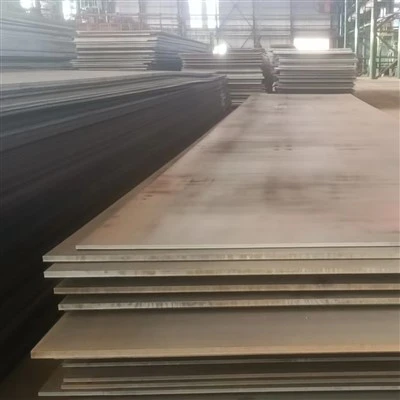
Don’t hesitate to reach out to us to discuss your stainless steel plate sheet needs. We’re here to answer your questions, share material test reports, and provide customized quotes tailored to your project. Let’s work together to find the best solution for your business in this evolving market.
Carbon Steel Pipe References
- Stainless Steel Industry Association. (2024). Global Stainless Steel Market Trends and Sustainability Report.
- European Steel Association (EUROFER). (2023). Circular Economy in Steel: Recycled Content and Industry Practices.
- World Steel Association. (2024). Stainless Steel Grades for Renewable Energy and Advanced Manufacturing Applications.
- US Department of Energy. (2023). Materials Requirements for Offshore Wind Energy Components.
Shandong Henry Group Co., Ltd.
As one of the most professional stainless steel plate sheet manufacturers and suppliers in China since 1995, we’re featured by quality products and good price. Please rest assured to buy premium stainless steel plate sheet for sale here from our factory. Contact us for more details.
Address: No. 2688 Meili Road, Meilihu Office, Huaiyin District, Jinan City
E-mail: sales01@henry-china.com
WebSite: https://www.henry-steelpipe.com/
