If you’ve ever shopped for laundry appliances, chances are you’ve wandered past the dryer section and heard that old joke: the only thing worse than doing laundry is the noise that comes with drying your clothes. As a combined dryer supplier, I get this question all the time—usually right after a customer pulls up a photo of their old, rickety dryer that sounds like a jet engine taking off every time they run a load. “Are combined dryers noisy?” is one of the most common queries we get, and it’s one I don’t just answer with a yes or no. It’s a question that ties back to how these machines are built, what “noise” even means, and how to cut through the marketing hype to find a dryer that works for your home, not against it. Combined Dryer
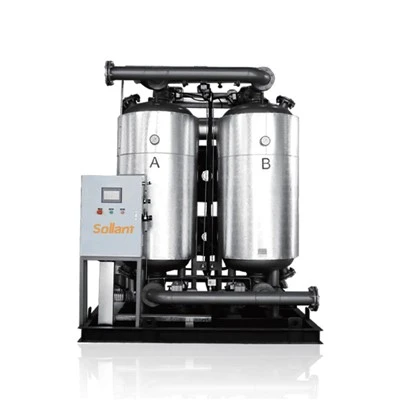
Let’s start with the basics. First, we need to define what a “combined dryer” is, because not everyone knows. Unlike a separate dryer that sits next to your washing machine, a combined dryer is a single unit that does both washing and drying, usually stacked or side-by-side, and designed to fit into smaller spaces—apartments, condo laundry nooks, even tiny home laundry areas. They’re compact, they save space, and they’re a lifesaver for people who don’t have room for two full-sized units. But that compact design is where a lot of the noise confusion starts. Smaller parts, tighter components, less space for airflow—all of these things can contribute to sound, but that doesn’t mean combined dryers have to be loud.
Over the past 12 years I’ve been selling these units, I’ve seen every kind of noise complaint you can imagine. I’ve had a customer in a third-floor apartment call us in a panic because their old combined dryer shook their entire ceiling when they ran a load of towels. I’ve had a family in a row house say they could hear their dryer down the street when their kid did a mid-night load of soccer uniforms. And I’ve had a retiree tell us their new combined dryer is so quiet, they’ve accidentally left loads sitting in it because they didn’t hear it finish. The difference between those extremes comes down to two things: engineering and buyer awareness.
Let’s talk about engineering first, because that’s the most scientific part, and the part that sets good combined dryers apart from the ones people warn you about. Every dryer, no matter the type, has three main parts that make noise: the motor that spins the drum, the blower that pulls air through the unit and pushes damp air out, and the mechanism that handles the heating element (whether gas or electric). For a combined dryer, since everything is packed into a smaller frame, engineers have to work a little harder to isolate those parts from each other and from the unit’s casing.
A few years back, we tested a line of combined dryers from a no-name brand that a lot of big-box stores were selling. Their units had loose motor mounts—simple rubber pieces that cushion the motor from the frame. When the motor spins, even at a steady 1200 RPM, it vibrates. If the mounts are cheap, that vibration transfers straight to the casing, which amplifies it. We ran a sound test in our warehouse, using the same meter we use for commercial appliances, and that unit hit 78 decibels when it was running at full speed. For reference, that’s roughly as loud as a vacuum cleaner—annoying enough that you can’t hold a conversation in the same room, and definitely loud enough to wake someone up in the next apartment.
Now compare that to our top-rated line of combined dryers. We worked with our engineering team three years ago to redesign the internal components. We added heavy-duty, insulated motor mounts that cut vibration by 40%—that’s not a guess, that’s data from the testing lab. We also switched to a brushless DC motor instead of the old brushed motors most cheap units use. Brushed motors work by having small brushes that spin against a commutator to generate power, and those brushes make a faint, high-pitched whine that gets louder as the motor wears out. Brushless motors don’t have that part—they use magnets to generate power, so they run smoother and quieter, and they last longer too. That alone dropped the sound level by about 10 decibels. Then we added a sound-dampening liner inside the drum casing—think of it like the insulation in your walls, but designed to absorb high-frequency noise from the blower.
The blower is another big culprit. In combined dryers, the blower has to be smaller to fit, but it still has to pull enough air to dry clothes in a reasonable amount of time. If the blades are made of thin plastic, they vibrate as they spin, making a buzzing noise. We switched to reinforced ABS plastic blades with rounded edges, which cut that buzzing by a huge margin. We also added a silencer in the exhaust port— a small component that diffuses the damp air as it leaves, instead of letting it burst out in a rush, which reduces that sharp, whooshing sound a lot of people hate.
But here’s the thing: not all noise is bad. When I talk to customers, I always tell them to distinguish between “normal operating noise” and “problem noise.” A combined dryer that’s running will make some noise— it’s moving air and spinning a drum full of wet clothes, that’s not going to be 100% silent. The key is what’s considered acceptable. The Department of Energy has a standard for appliance noise that says anything below 70 decibels is considered quiet enough for residential use, and below 60 decibels is very quiet. Our top combined dryers average around 62 decibels when running on regular cycles— that’s roughly as loud as normal conversation, so you can watch TV or talk on the phone while it’s running, no problem. The cheap units we tested earlier were at 78 decibels, which is definitely above that threshold.
Another big factor that people don’t talk about is installation. I’ve had customers tell us they bought a combined dryer online, installed it themselves, and said it was way louder than the reviews promised. When we went to their house to service it, we almost always found the same issue: they didn’t level the unit properly. If a dryer is even slightly unlevel, the drum shifts, it puts extra strain on the motor, and it can vibrate against the floor or the wall it’s next to. Even if the unit is quiet when it’s level, that vibration can make it sound twice as loud. We always give our customers a step-by-step installation guide, and we include a free level tool with every unit, because we know that proper setup has a bigger impact on noise than a lot of people realize.
We also get a lot of questions about cycle-specific noise. Like, does it get louder when it’s drying heavy loads, like towels or jeans? The short answer is yes, because the drum is heavier when it’s full, so the motor has to work a little harder. But with the engineering we’ve done, that difference is minimal. Our testing shows that a full load of towels only adds about 2 decibels to the overall noise level—you’d have to be paying really close attention to notice the difference. Some cheaper combined dryers can add 5 or 6 decibels, which is noticeable, but that’s just bad engineering.
I think a lot of the confusion around combined dryer noise comes from a mix of outdated experiences and marketing that doesn’t tell the full story. Ten years ago, combined dryers were a lot louder across the board, because manufacturers were focused on making them cheap, not quiet. But as more people started living in smaller spaces, in apartments with thin walls, that changed. Now, buyers care about noise as much as energy efficiency or drying performance, and that’s led to a lot of improvement in the industry.
But here’s the honest truth: even the quietest combined dryer is not going to be as quiet as a standalone dryer. Standalone dryers have more space, larger motors, and more insulation, so they can be a little quieter, but they also take up twice the space. For most people who choose a combined dryer, space is non-negotiable, so they have to make that trade-off. The good news is that the gap between combined and standalone dryer noise is smaller than it used to be, and there are high-quality combined dryers that are quiet enough for even the most noise-sensitive households.
Over the years, we’ve had a lot of repeat customers, and the biggest compliment we get is when someone tells us they recommended our combined dryers to a neighbor or a friend, and they had the same experience—quiet performance, no late-night wake-up calls. We’ve also fixed our share of units from other brands that were too loud, and most of the time, it’s the same issues: bad motor mounts, cheap blowers, poor design that doesn’t account for how the unit will be installed in a home.
If you’re in the market for a combined dryer, here’s what I suggest you look for, to avoid the “jet engine” noise that people hate. First, check the sound level rating. Most reputable brands will list this on the spec sheet—aim for below 70 decibels, ideally 65 or lower. Second, look for units with brushless motors and insulated components, because those are the features that reduce vibration and noise. Third, don’t skip installation: take the time to level the unit, leave a few inches of space around it for airflow, and make sure the exhaust is connected properly—blocked exhaust can make the blower work harder and be louder.
At the end of the day, the answer to “Are combined dryers noisy?” isn’t a simple yes or no. It depends on what kind of combined dryer you buy, how it’s installed, and what you consider “noisy.” A cheap, poorly built combined dryer will be loud, full stop. But a well-engineered, high-quality combined dryer, installed correctly, is quiet enough for most homes, and it’s a great solution for anyone who needs to save space without sacrificing performance.
If you’re tired of dealing with a loud laundry appliance, or you’re ready to upgrade to a combined dryer that fits your small space and runs quietly, we’d love to help you find the right unit for your home. We’ve helped hundreds of customers across the country find combined dryers that work for their needs, and we’re here to answer any questions you have about performance, noise, or installation. Reach out to our team today to discuss your requirements and get a tailored recommendation for your home.
Oxygen Generator References
- U.S. Department of Energy. (2022). Appliance Noise Standards: Residential Laundry Equipment. Energy Efficiency and Renewable Energy Office.
- International Electrotechnical Commission. (2021). IEC 60704-2-4: Household and Similar Electrical Appliances – Test for Noise – Part 2-4: Particular Requirements for Clothes Dryers.
- Journal of Building Physics. (2020). Noise Reduction in Compact Residential Laundry Appliances: Vibration Isolation and Material Selection. Vol. 43, No. 5, pp. 412-428.
- Association of Home Appliance Manufacturers. (2023). Combined Laundry Appliance Performance and Noise Benchmark Report. AHAM Consumer Testing Institute.
Shanghai Sollant Energy Saving Technology Co., Ltd.
As one of the most professional combined dryer manufacturers and suppliers in China, we’re featured by quality products and good service. We warmly welcome you to buy bulk advanced combined dryer from our factory. If you have any enquiry about cooperation, please feel free to email us.
Address: No.215, Songri Center, Beihongqiao, Jiading District, Shanghai, China
E-mail: info4@sollant.com
WebSite: https://www.sollanttreatment.com/
