If you’ve ever stood in a dusty construction yard, watched a forklift lift a pallet of bricks, or seen a small excavator dig a foundation for a backyard pool, you’ve used compact hydraulics. For years, my team and I have supplied these compact systems to small-scale operators, local contractors, and specialty machine makers—guys who rely on tight, efficient power to get big jobs done without the bulk of heavy industrial hydraulics. But over the past decade, I’ve heard the same complaint again and again: even the best compact hydraulic system will fail prematurely if something goes wrong inside. Most operators blame parts, wear and tear, or even bad luck. But after repairing, installing, and troubleshooting thousands of these small systems, I can tell you the real culprit far more often than not is contamination. Compact Hydraulics

Contamination isn’t just dirt in a fluid—it’s any unwanted substance that sneaks into a compact hydraulic circuit, and it’s the quietest, most destructive enemy of these tight, precision-built systems. What makes compact hydraulics extra vulnerable here is that their components are far smaller than those on large industrial machines. A large excavator’s hydraulic pump might have tolerances the thickness of a credit card, but a compact unit for a skid-steer or small forklift can have tolerances 10 times thinner. Even a tiny speck of debris that would barely register on a large system can grind those tiny moving parts into metal dust, turn smooth oil into abrasive sludge, and shut down a job mid-swing.
Let’s break down what contamination actually does to a compact hydraulic system, starting with the fluid that’s the lifeblood of the whole setup. Most compact systems use mineral-based hydraulic oil, which isn’t just a lubricant—it’s what transfers power, cools components, and seals tiny gaps between pistons and cylinders. But when contaminants get in, they don’t just mix with the oil; they change its entire nature. Water is one of the most common contaminants, and it’s insidious in small systems. Because compact hydraulic reservoirs hold less oil—often just a few gallons, compared to hundreds in large machines—water can easily make up 1% or more of the fluid before operators even notice. Water lowers the oil’s viscosity, so it can’t create the tight seal needed between moving parts, leading to power loss and increased friction. It also causes corrosion on metal components: a rusted piston ring can’t move smoothly inside its cylinder, and in a compact unit, even 0.001 inches of rust buildup can throw off the entire system’s balance.
Then there’s solid contamination—dirt, metal shavings, seal particles, even tiny bits of rubber from old hoses. When a compact hydraulic pump is running, solid particles act like sandpaper between its gears, vanes, or pistons and the housing they slide against. On a gear pump, which is the most common type in compact systems, these particles wear down the gear teeth, causing internal leaks that rob the system of pressure. I once had a customer who brought in a 3-year-old skid-steer pump that was failing to lift pallets, and when we took it apart, we found it had nearly 50% less pressure than new units. The inside of the pump housing was scored like a wooden deck, and when we tested the oil, we found 12 milligrams of solid contamination per 100 milliliters—way above the recommended limit of 1 milligram for compact systems. A large industrial pump could survive that level, but the tight tolerances of a compact unit mean even a little scoring leads to a huge drop in performance.
It’s not just the pump that takes the hit, either. Valves—directional, pressure, and flow control valves—are the brains of a compact hydraulic system, and their spools fit into their housings with near-microscopic clearances. A single particle of dust just 5 microns wide (that’s 0.005 millimeters, smaller than a grain of talcum powder) can wedge between a valve spool and its seat, making it stick. Last year, a local concrete contractor brought in a mini-excavator that wouldn’t swing its arm to dump buckets. We checked the valve, and sure enough, a 7-micron particle of cement dust had jammed the swing valve’s spool. The contractor had been refilling the reservoir at a job site with a basic funnel he kept in his truck, no filter, so it was just pouring dirt right into the system. Fixing that valve cost him $800, and he was down for two days—time he couldn’t afford during summer concrete season. Cylinder seals take a beating from contamination too; abrasive particles scrape against the seal as the cylinder extends and retracts, causing leaks that let fluid seep out and air get in. A leaking seal on a compact cylinder might seem like a small fix, but if it’s not caught early, air bubbles form in the fluid, leading to spongy, unresponsive movement that makes the machine unsafe to operate.
What makes this even more frustrating for small operators is that most contamination gets into the system during routine maintenance, not from a broken part. It’s so easy to overlook: topping off the hydraulic reservoir with a jug of oil that’s been sitting open in the back of a truck, changing a hose without wiping the connection point first, or not replacing the filter as often as the manual says. Compact systems run hot—often 10 to 20 degrees hotter than large industrial systems, because they have smaller cooling capacities—and high temperatures break down hydraulic oil faster, making it more likely to mix with contaminants and turn abrasive. I’ve seen operators who will pay $500 to fix a broken boom arm but skip the $20 filter change every 50 hours, because it’s “just compact hydraulics, it doesn’t need that much care.”
The good news is that contamination in compact hydraulics is almost entirely preventable. Over the years, my team has worked with dozens of small operators to implement simple checks that cut system failures by 70% or more. First, use quality filters designed specifically for compact systems—generic filters for large machines won’t catch the tiny particles that get through. We recommend changing the main filter every 250 hours (half the interval for many large systems) and adding a secondary suction filter to catch big debris before it reaches the pump. When topping off fluid, always use a funnel with a built-in filter, and never leave the reservoir cap open more than necessary—moisture and dust get in fast. When replacing hoses or seals, wipe every connection point with a clean cloth before you undo it, so no particles fall into the system. And check the fluid regularly—every 100 hours of use, take a sample to test for water and solid contamination, or at least do a visual check: if the oil is cloudy, dark, or smells burnt, it’s time to change it.
For me, working with compact hydraulic systems is personal. I grew up helping my dad run a small landscaping business in rural Ohio, and the mini-excavator we used for digging ponds and moving dirt was the only thing that kept us on schedule during busy season. I learned early that when that machine’s hydraulics failed, we couldn’t take on new jobs, and we’d lose money. That’s why our company doesn’t just sell parts—we walk our customers through every step of maintenance, from choosing the right filter to checking for hidden contamination. We’ve had customers who went from losing a machine for a week every few months to going three years without a major hydraulic failure, just by adding a $10 filter and 10 minutes of checks every week.
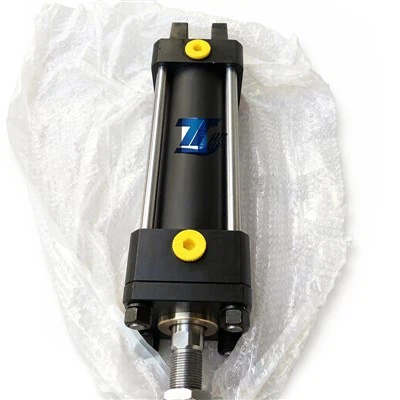
Contamination is a silent problem, but it’s one that every compact hydraulic operator can fight. It doesn’t have to be a fact of life for small construction, landscaping, or material handling businesses. If you’re dealing with slow lifts, unresponsive valves, or frequent breakdowns, don’t just assume your parts are wearing out. Look at the fluid, check the filters, and make sure you’re not letting tiny particles turn into big problems. If you have questions about maintaining your compact hydraulic system, or you’re looking for high-quality, contamination-resistant parts that are built to last for small-scale work, we’re here to help. Reach out to our team to discuss your needs and find the right solutions for your operations.
Hydraulic Cylinder References:
- Hydraulic Institute. (2020). Hydraulic Fluid Contamination Control Guidelines for Mobile Equipment.
- American Society of Mechanical Engineers. (2018). Tribology of Compact Hydraulic Systems: Material Degradation from Solid Contamination.
- International Organization for Standardization. (2019). ISO 4406: Hydraulic Fluid Power—Fluid Contamination by Solids—Classification and Code.
- National fluid Power Association. (2021). Maintenance Best Practices for Compact Hydraulic Circuits.
Wuhu Zhongye Fluid Equipment Co., Ltd.
We are one of the most experienced compact hydraulics manufacturers and suppliers in China, specialized in providing high quality customized products. Please feel free to wholesale bulk durable compact hydraulics in stock here from our factory. Contact us for quotation.
Address: No. 2, Hexing Road, Sanshan District, Wuhu City, Anhui Province
E-mail: zhongyehydro20@163.com
WebSite: https://www.zhongyehydro.com/
