Transporting a phone locker requires careful planning and execution to ensure its safe arrival at the destination. As a phone locker supplier, I’ve encountered various challenges and learned effective strategies for transporting these lockers. In this blog, I’ll share my insights on how to transport a phone locker successfully. Phone Locker
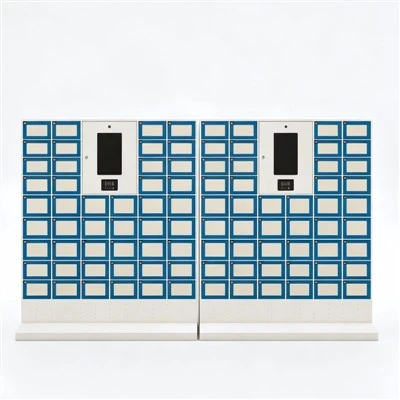
Understanding the Phone Locker
Before initiating the transportation process, it’s crucial to have a comprehensive understanding of the phone locker’s specifications. Phone lockers come in different sizes, weights, and designs. Some are compact and lightweight, suitable for small spaces, while others are larger and heavier, designed for high – traffic areas.
The materials used in phone lockers also vary. Common materials include steel, aluminum, and plastic. Steel lockers are sturdy but heavy, which can impact the transportation method and cost. Aluminum lockers are lighter and more corrosion – resistant, while plastic lockers are the lightest but may not offer the same level of durability as metal ones.
Knowing the locker’s dimensions and weight is essential for selecting the right transportation vehicle and ensuring proper loading and unloading. For instance, a large, heavy steel locker may require a forklift for movement, while a smaller plastic one can be manually carried.
Planning the Transportation
Choosing the Right Packaging
Proper packaging is the first step in protecting the phone locker during transportation. For lockers made of metal, it’s advisable to use thick, protective padding to prevent scratches and dents. Bubble wrap can be wrapped around the locker, followed by a layer of cardboard or plywood. This additional layer not only provides cushioning but also acts as a barrier against moisture.
For lockers with electronic components, such as digital locking systems, extra care must be taken. These components should be individually wrapped in anti – static bags to protect them from electrostatic discharge. The entire locker can then be placed in a custom – made wooden crate for added security.
Selecting the Transportation Mode
The choice of transportation mode depends on several factors, including the distance, the number of lockers, and the urgency of delivery.
- Local Delivery: For short – distance deliveries within the same city or a neighboring area, a van or a small truck may be sufficient. Vans are convenient for transporting a small number of lockers, especially if they are lightweight. They can navigate through city traffic easily and deliver the lockers directly to the customer’s location. For larger quantities of lockers, a small truck may be more appropriate. Trucks offer more space and can be equipped with ramps or lift gates to facilitate loading and unloading.
- Long – Distance Delivery: When transporting phone lockers over long distances, options such as freight trucks or trains may be considered. Freight trucks are a popular choice as they offer door – to – door service. They are available in different sizes, allowing for the transportation of multiple lockers at once. Trains, on the other hand, are more suitable for large – scale shipments. They are generally more cost – effective than trucks for long – distance transportation, but they may require additional handling at transfer points.
- International Delivery: For international shipments, air freight or sea freight can be used. Air freight is the fastest option but is also the most expensive. It is suitable for urgent orders or when the value of the lockers justifies the high cost. Sea freight is a more economical choice for large – volume shipments. However, it has a longer transit time, and additional customs clearance procedures are required.
Scheduling the Delivery
Once the transportation mode is selected, it’s important to schedule the delivery at a convenient time for both the supplier and the customer. Coordinate with the customer to determine the best time for the locker to be delivered. This may involve considering factors such as the customer’s business hours, availability of staff to receive the delivery, and any security requirements.
Loading the Phone Locker
Using the Right Equipment
Proper equipment is essential for loading the phone locker safely. For heavy or large lockers, a forklift is often the best option. Forklifts can lift the lockers with ease and place them onto the transportation vehicle. Make sure the forklift operator is trained and experienced in handling lockers to avoid any damage.
If a forklift is not available, a pallet jack can be used for smaller lockers placed on pallets. Pallet jacks are relatively easy to operate and can move the lockers from the storage area to the vehicle. Additionally, straps or ropes can be used to secure the lockers on the pallet during transportation to prevent them from shifting.
Loading in the Correct Orientation
When loading the phone locker, ensure it is placed in the correct orientation. Some lockers have specific designs or features that may be damaged if they are not loaded properly. For example, lockers with glass panels should be loaded in an upright position to prevent the glass from breaking.
Stacking lockers should be done carefully to avoid overloading and damage. If multiple lockers are being transported, stack them in a stable manner, ensuring that the weight is evenly distributed. Use spacers or padding between the lockers to prevent them from rubbing against each other.
Securing the Locker during Transportation
Using Straps and Fasteners
Once the locker is loaded onto the transportation vehicle, it must be secured to prevent movement during transit. Straps are commonly used to secure the locker to the vehicle. Ratchet straps are a popular choice as they can be tightened to ensure a firm hold. Place the straps around the locker at multiple points, such as the top, middle, and bottom, and attach them to anchor points in the vehicle.
In addition to straps, other fasteners such as bungee cords or ropes can be used for smaller lockers or to provide additional stability. Make sure all fasteners are tight and in good condition to prevent the locker from coming loose.
Protecting against Vibration and Impact
Vibration and impact during transportation can cause damage to the phone locker. To minimize these effects, consider using shock – absorbing materials. Foam pads or rubber mats can be placed between the locker and the vehicle floor to reduce the impact of bumps and vibrations.
If the vehicle is equipped with a suspension system, ensure it is in good working condition to further absorb shocks. Additionally, the driver should be instructed to drive carefully, avoiding sudden stops, starts, and sharp turns.
Unloading and Installation
Proper Unloading Procedures
When the phone locker arrives at its destination, proper unloading procedures must be followed. Use the same equipment that was used for loading, such as a forklift or pallet jack, to safely remove the locker from the vehicle. Make sure the unloading area is clear of any obstacles and is stable.
If the locker is being unloaded onto a raised platform or inside a building, take extra precautions to ensure a smooth transition. Use ramps or lift gates as necessary to facilitate the movement of the locker.
Installation
After unloading, the phone locker may need to be installed. If the customer has requested professional installation, ensure that a trained technician is available to carry out the task. The technician should follow the manufacturer’s instructions carefully to install the locker correctly.
During installation, check for any damage that may have occurred during transportation. If any issues are found, report them immediately to the relevant parties and take appropriate measures to resolve them.
Monitoring and Quality Assurance
Throughout the transportation process, it’s important to monitor the status of the phone locker. Use tracking systems provided by the transportation company to keep track of the locker’s location and estimated time of arrival. This allows you to keep the customer informed and address any potential delays promptly.

Conduct a final quality check when the locker arrives at the destination. Inspect the locker for any signs of damage, such as scratches, dents, or non – functioning components. If any damage is found, document it thoroughly and work with the transportation company and customer to find a solution.
Contact for Purchase and Discussion
Tool Cabinet If you’re interested in our phone lockers or have any questions about transportation or other aspects, feel free to reach out to us. We’re eager to engage in discussions regarding your specific requirements, offer customized solutions, and ensure a seamless purchasing experience.
References
- "Packaging and Shipping Guidelines for Industrial Equipment", Manufacturing Best Practices Journal
- "Transportation Logistics: A Comprehensive Guide", Logistics Management Press
- "Safe Handling of Heavy Goods in Transit", Occupational Safety and Health Institute Publications
Hangzhou Dongjie Intelligent Technology Co., Ltd.
Hangzhou Dongjie Intelligent Technology Co., Ltd. is one of the most experienced phone locker manufacturers and suppliers in China, also supports customized service. Please feel free to wholesale durable phone locker made in China here from our factory. For quotation, contact us now.
Address: 1st Floor, Building 2, No. 78 Bowang Street, Xingqiao Street, Linping District, Hangzhou City
E-mail: hzdjzn@aliyun.com
WebSite: https://www.cndongjiesmart.com/
