Repairing a damaged fence semi-trailer is a crucial skill for anyone in the transportation and logistics business, especially for a fence semi-trailer supplier like me. A well-maintained trailer ensures not only the safety of the cargo but also compliance with road regulations. In this blog post, I’ll share my experience and knowledge on how to repair a damaged fence semi-trailer. Fence Semi Trailer

1. Initial Inspection
The first step in repairing a damaged fence semi-trailer is a thorough inspection. When a damaged trailer comes to our facility, I always start by walking around it, looking for visible signs of damage. This includes checking the frame, fence panels, axles, wheels, and the coupling mechanism.
- Frame Inspection: The frame is the backbone of the trailer. Look for cracks, bends, or any signs of structural damage. Use a straight edge to check for straightness. Any misalignment can lead to further problems down the road, such as uneven tire wear and handling issues.
- Fence Panel Check: Examine the fence panels for dents, holes, or loose parts. Fence panels are essential for containing the cargo, so they need to be in good condition. Check the fasteners that hold the panels in place, as loose or missing fasteners can cause the panels to come off during transit.
- Axle and Wheel Assessment: Inspect the axles for signs of damage, such as leaks, bent shafts, or unusual wear on the bearings. Check the wheels for proper inflation, tire wear, and any signs of damage to the rims. Uneven tire wear can indicate alignment problems or issues with the suspension.
- Coupling Mechanism: The coupling mechanism is responsible for connecting the trailer to the tractor. Make sure it is in working order, with no signs of wear or damage. Check the locking pins and safety chains to ensure they are secure.
2. Gather Tools and Materials
Once the inspection is complete and you have a clear understanding of the damage, it’s time to gather the necessary tools and materials. The tools you’ll need may include wrenches, sockets, a welder, a grinder, a paint gun, and a drill. The materials will depend on the nature of the damage. For example, if you need to replace fence panels, you’ll need new panels, fasteners, and possibly paint to match the existing color.
- Welding Equipment: If there are structural damages to the frame, a welder is essential. Make sure you have the right type of welding rod for the material of the frame, usually mild steel. A grinder can be used to prepare the surfaces for welding and to clean up the welds.
- Replacement Parts: Stock up on common replacement parts such as fence panels, axles, wheels, bearings, and fasteners. Having these parts on hand can save time and money in the long run.
- Safety Equipment: Don’t forget to wear safety equipment such as gloves, goggles, and a welding helmet when working on the trailer. Safety should always be a top priority.
3. Repairing the Frame
If the frame is damaged, it’s important to address the issue as soon as possible. Minor bends can sometimes be straightened using a hydraulic ram or a winch. However, for more severe damage, welding may be required.
- Preparing the Welding Area: Before welding, clean the damaged area thoroughly to remove any rust, paint, or debris. Use a grinder to create a smooth surface for welding. Make sure the frame is properly aligned before starting the welding process.
- Welding Techniques: When welding, use a technique that provides a strong and durable bond. For mild steel frames, shielded metal arc welding (SMAW) or gas metal arc welding (GMAW) are commonly used. Follow the manufacturer’s instructions for the welding equipment and use the appropriate welding rod or wire.
- Post-Welding Inspection: After welding, inspect the weld for any cracks or incomplete penetration. Use a grinder to smooth the weld and remove any excess spatter. Apply a coat of primer and paint to protect the welded area from rust.
4. Replacing Fence Panels
If the fence panels are damaged beyond repair, they need to be replaced. Removing the old panels is usually a matter of removing the fasteners that hold them in place.
- Measuring and Cutting: Measure the dimensions of the old panel to ensure the new panel fits correctly. Use a saw or a cutting torch to cut the new panel to the appropriate size if necessary.
- Installation: Install the new panel using the same type of fasteners as the old ones. Make sure the panel is securely attached and aligned with the other panels. Check for any gaps or loose connections.
- Finishing Touches: After installing the new panel, paint it to match the rest of the trailer. This not only improves the appearance but also provides protection against the elements.
5. Axle and Wheel Repairs
Axle and wheel problems can affect the handling and safety of the trailer. Here’s how to address some common issues.
- Bearing Replacement: If the bearings are worn or damaged, they need to be replaced. Remove the wheel and hub assembly, and then use a bearing puller to remove the old bearings. Install the new bearings and repack them with grease. Make sure to adjust the bearing clearance properly.
- Tire Replacement: If a tire is damaged or worn beyond the recommended limit, it should be replaced. Use a tire iron to remove the old tire and a jack to lift the trailer. Install the new tire and tighten the wheel nuts to the specified torque.
- Axle Alignment: If the axles are misaligned, it can cause uneven tire wear and handling problems. Use an alignment tool to check the axle alignment and make the necessary adjustments.
6. Coupling Mechanism Repairs
The coupling mechanism is a critical component of the trailer. Any issues with it can pose a serious safety risk.
- Lubrication: Regularly lubricate the coupling mechanism to ensure smooth operation. Use a high-quality lubricant recommended by the manufacturer.
- Inspection and Replacement: Check the coupling mechanism for signs of wear, such as worn pins or damaged locking mechanisms. If any parts are worn or damaged, replace them immediately.
7. Final Inspection and Testing
After completing all the repairs, it’s important to conduct a final inspection and testing.
- Visual Inspection: Walk around the trailer again to make sure all the repairs have been completed correctly. Check for any loose parts, leaks, or other issues.
- Function Testing: Test the trailer’s brakes, lights, and other systems to make sure they are working properly. Take the trailer for a short test drive to check for any handling or performance issues.
Conclusion
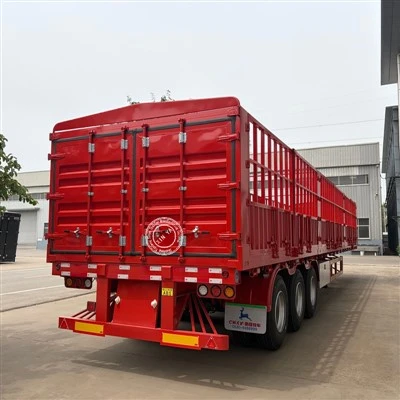
Repairing a damaged fence semi-trailer requires a combination of knowledge, skills, and the right tools. As a fence semi-trailer supplier, I understand the importance of maintaining the quality and safety of our products. By following these steps, you can effectively repair a damaged trailer and ensure it is in good working order.
Skeleton Semi-trailer If you’re in the market for a high-quality fence semi-trailer or need professional advice on trailer repair and maintenance, I’d love to help. Whether you’re a small business owner or part of a large logistics company, we have the expertise and products to meet your needs. Contact us to discuss your requirements and let’s work together to find the best solution for your transportation needs.
References
- Automotive and Trailer Repair Manuals
- Manufacturer’s Guidelines for Fence Semi-Trailers
- Industry Standards and Regulations for Trailer Safety
Shandong Yuncheng Xinya Trailer Manufacturing Co., Ltd.
Shandong Yuncheng Xinya Trailer Manufacturing Co., Ltd. is one of the most experienced fence semi trailer manufacturers and suppliers in China, featured by quality products and good service. Please rest assured to buy CE approved fence semi trailer from our factory. Contact us for customized service and OEM service.
Address: No. 008, Hexie Road, Yangzhuangji Town, Yuncheng County, Heze City, Shandong Province
E-mail: fiona@xinyatrailer.com
WebSite: https://www.china-truckfactory.com/
