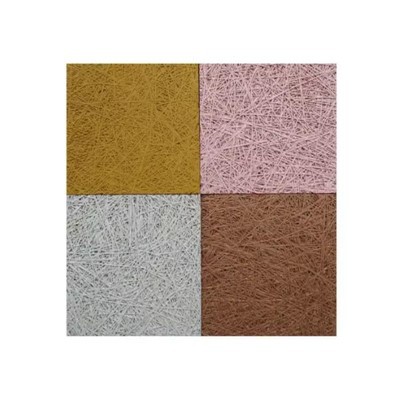
As a supplier of sound-absorbing materials with years of industry experience, I often find myself engaged in discussions about the diverse applications of our products. One question that frequently arises is whether sound-absorbing materials can be effectively used in hospitals to create a quiet environment. In this blog, I will delve into this topic, exploring the challenges of noise in hospitals, the benefits of using sound-absorbing materials, and the practical considerations for implementation. Sound-absorbing Materials
The Noise Challenge in Hospitals
Hospitals are bustling environments filled with a multitude of sounds. Medical equipment, such as monitors, ventilators, and infusion pumps, emits a constant hum. Staff conversations, the movement of beds and trolleys, and the opening and closing of doors all contribute to the ambient noise. Additionally, the sounds of other patients, including moans, cries, and the beeping of call bells, can further disrupt the peace.
Excessive noise in hospitals has been linked to a range of negative effects on both patients and staff. For patients, it can interfere with sleep, increase stress levels, and even impede the healing process. Noise-induced stress can elevate blood pressure, heart rate, and cortisol levels, which can have a detrimental impact on recovery. Moreover, poor sleep quality can lead to fatigue, irritability, and a weakened immune system.
For hospital staff, high noise levels can cause distractions, reduce concentration, and increase the risk of medical errors. It can also contribute to job dissatisfaction and burnout, which can have a significant impact on the quality of patient care.
The Benefits of Sound-Absorbing Materials in Hospitals
Sound-absorbing materials offer a practical solution to the noise problem in hospitals. These materials are designed to reduce the reflection and transmission of sound waves, thereby absorbing and dissipating the energy of the sound. By installing sound-absorbing materials in hospital rooms, corridors, waiting areas, and other common spaces, it is possible to create a quieter and more comfortable environment for both patients and staff.
One of the primary benefits of using sound-absorbing materials in hospitals is the improvement in patient comfort. A quiet environment can help patients relax, sleep better, and recover more quickly. It can also reduce the need for sedatives and other medications, which can have side effects and prolong the recovery process.
In addition to improving patient comfort, sound-absorbing materials can also enhance the quality of communication in hospitals. By reducing background noise, it becomes easier for patients and staff to hear and understand each other, which can improve the accuracy of medical information exchange and reduce the risk of misunderstandings.
Another benefit of using sound-absorbing materials in hospitals is the potential for energy savings. By reducing the need for mechanical ventilation and air conditioning to mask noise, hospitals can lower their energy consumption and operating costs.
Types of Sound-Absorbing Materials Suitable for Hospitals
There are several types of sound-absorbing materials that are suitable for use in hospitals. These materials can be classified into two main categories: porous materials and resonant materials.
Porous Materials
Porous materials, such as fiberglass, mineral wool, and acoustic foam, are the most commonly used type of sound-absorbing materials in hospitals. These materials work by allowing sound waves to enter the pores and be absorbed by the fibers or cells within the material. The sound energy is then converted into heat and dissipated.
Fiberglass and mineral wool are popular choices for hospital applications because they are fire-resistant, non-toxic, and have good sound absorption properties. They can be installed in the walls, ceilings, and floors of hospital rooms and other spaces to reduce noise levels.
Acoustic foam is another type of porous material that is commonly used in hospitals. It is lightweight, easy to install, and has excellent sound absorption properties at high frequencies. Acoustic foam can be used to line the walls and ceilings of recording rooms, operating theaters, and other areas where high-frequency noise needs to be controlled.
Resonant Materials
Resonant materials, such as perforated panels and membrane absorbers, work by vibrating in response to sound waves. The vibration of the material causes the sound energy to be converted into mechanical energy and then dissipated.
Perforated panels are a type of resonant material that is commonly used in hospitals. They consist of a panel with small holes or perforations that allow sound waves to enter the panel and be absorbed by the material behind the panel. Perforated panels can be made from a variety of materials, including wood, metal, and plastic, and can be used to create decorative and functional acoustic treatments in hospital rooms and other spaces.
Membrane absorbers are another type of resonant material that is used in hospitals. They consist of a thin membrane that is stretched over a frame and backed by a layer of absorbent material. The membrane vibrates in response to sound waves, causing the sound energy to be absorbed by the material behind the membrane. Membrane absorbers are effective at absorbing low-frequency noise and can be used to reduce the rumble of traffic and other low-frequency sounds in hospital buildings.
Practical Considerations for Implementing Sound-Absorbing Materials in Hospitals
When considering the implementation of sound-absorbing materials in hospitals, there are several practical considerations that need to be taken into account.
Hygiene and Cleanliness
Hospitals have strict hygiene and cleanliness standards, and any materials used in the hospital environment must be able to meet these standards. Sound-absorbing materials should be easy to clean and disinfect, and they should not harbor bacteria or other microorganisms.
Fire Safety
Fire safety is another important consideration in hospitals. Sound-absorbing materials should be fire-resistant and comply with local fire safety codes and regulations.
Aesthetics
In addition to their functional properties, sound-absorbing materials should also be aesthetically pleasing. They should blend in with the hospital’s decor and not detract from the overall appearance of the space.
Cost
The cost of sound-absorbing materials and their installation is also an important consideration. Hospitals need to balance the benefits of using sound-absorbing materials with the cost of implementation.
Conclusion
In conclusion, sound-absorbing materials can be effectively used in hospitals to create a quiet environment. By reducing the ambient noise levels, these materials can improve patient comfort, enhance communication, and even contribute to energy savings. However, when considering the implementation of sound-absorbing materials in hospitals, it is important to take into account the practical considerations of hygiene, fire safety, aesthetics, and cost.
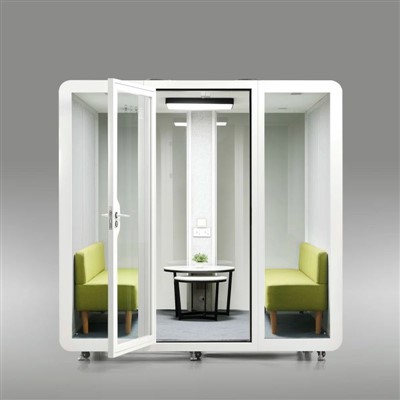
As a supplier of sound-absorbing materials, I am committed to providing high-quality products that meet the specific needs of hospitals. Our materials are designed to be hygienic, fire-resistant, and aesthetically pleasing, and we offer a range of installation options to ensure that our products are installed correctly and efficiently.
Fiberglass Ceiling Panels If you are interested in learning more about how our sound-absorbing materials can be used in your hospital, I encourage you to contact me to discuss your specific requirements and to arrange a consultation. Together, we can create a quieter and more comfortable environment for your patients and staff.
References
- World Health Organization. (2009). Guidelines for community noise.
- American Institute of Architects. (2018). Healthcare facilities design guidelines.
- National Institute for Occupational Safety and Health. (2019). Noise and hearing loss prevention in healthcare settings.
Guangzhou MQ Acoustic Materials Co., Ltd.
Guangzhou MQ Acoustic Materials Co., Ltd. is one of the most professional sound-absorbing materials manufacturers and suppliers in China, featured by quality products and low price. Welcome to buy CE approved sound-absorbing materials in stock here and get quotation from our factory. We also accept customized orders.
Address: Room D403, KeZhu Business Building, ZhuJi Road, TianHe District, GuangZhou, China
E-mail: Lizzy@mq-acoustics.com
WebSite: https://www.acoustic-projects.com/
