As a reputable water treatment equipment supplier, I’m frequently asked about the inner workings of distillation water treatment equipment. This process isn’t just a technical curiosity; it’s a cornerstone of producing high – purity water for a variety of applications, from industrial processes to laboratory use. In this blog, I’ll take you on a journey through the distillation water treatment process, explaining the science and technology behind it. Water Treatment Equipment

The Basic Principle of Distillation
At its core, distillation is a separation process that relies on differences in the boiling points of substances. Water, when mixed with various impurities such as salts, heavy metals, and organic compounds, can be purified by heating it to its boiling point. Water boils at 100 degrees Celsius (212 degrees Fahrenheit) under standard atmospheric pressure, while many of the contaminants have much higher boiling points.
When we start the distillation process, we heat the water in a chamber. As the temperature rises to the boiling point, water turns into steam. This steam is essentially pure water vapor because the non – volatile impurities are left behind in the boiling chamber. The steam then moves away from the boiling water and enters a cooling system.
The Components of Distillation Water Treatment Equipment
1. The Boiling Chamber
The boiling chamber is where the water is heated. It is usually made of materials that can withstand high temperatures and are resistant to corrosion, such as stainless steel. Inside the boiling chamber, there is a heating element. This can be an electric heating element or, in some industrial – scale distillers, a steam – based heating system.
The design of the boiling chamber is crucial. It needs to be large enough to hold an adequate volume of water for continuous operation but not so large that it takes an excessive amount of energy to heat the water. Additionally, it should have a mechanism to prevent the carry – over of any droplets of water containing impurities into the steam phase. This is often achieved through the use of baffles or mist eliminators.
2. The Condenser
Once the water has turned into steam in the boiling chamber, it enters the condenser. The condenser’s job is to cool the steam back into liquid water. This is typically done by passing the steam through a series of pipes that are surrounded by cold water or another cooling medium.
As the steam comes into contact with the cold surfaces of the pipes, it loses heat and condenses. The condensed water, now in liquid form, is much purer than the original water because most of the impurities were left behind in the boiling chamber. The condenser is designed to maximize the surface area for heat exchange, which allows for efficient cooling and condensation of the steam.
3. Storage Tank
The purified water that is produced in the distillation process is then collected in a storage tank. The storage tank is usually made of materials that do not leach contaminants into the water, such as food – grade plastic or stainless steel. It also often has a lid to prevent the entry of dust and other airborne contaminants.
In some advanced distillation systems, the storage tank may be equipped with additional features such as a level sensor to monitor the water level and a pump to transfer the water to other parts of the system or for use.
The Distillation Process Step – by – Step
1. Water Intake
The first step in the distillation process is the intake of water. The water source can be from various places, such as a municipal water supply, a well, or a surface water body. However, it’s important to note that the quality of the source water can affect the efficiency and lifespan of the distillation equipment. For example, water with a high mineral content may cause scaling in the boiling chamber, reducing the heat transfer efficiency.
2. Pre – treatment (Optional)
In some cases, pre – treatment of the source water may be necessary. This can involve processes such as filtration to remove large particles and sediment, softening to reduce the hardness of the water, and activated carbon filtration to remove organic compounds and chlorine. Pre – treatment helps to protect the distillation equipment and improve the quality of the final distilled water.
3. Heating in the Boiling Chamber
Once the water has been taken in and, if necessary, pre – treated, it enters the boiling chamber. The heating element in the boiling chamber starts to heat the water. As the water temperature approaches 100 degrees Celsius, the water begins to boil, and steam is generated.
During this stage, the non – volatile impurities, such as salts and heavy metals, remain in the boiling chamber. Some volatile organic compounds with boiling points close to or lower than that of water may also be vaporized along with the water. To deal with these volatile contaminants, additional purification steps may be required, such as the use of activated carbon filters in the steam path.
4. Steam Transfer
The steam generated in the boiling chamber rises and is transferred to the condenser through a connecting pipe. The design of the pipe is important to ensure smooth steam flow and to prevent the condensation of steam before it reaches the condenser. The pipe is usually insulated to minimize heat loss.
5. Condensation in the Condenser
In the condenser, the steam comes into contact with the cold surfaces of the pipes. As it loses heat, it condenses back into liquid water. The cold water or cooling medium used in the condenser is constantly circulated to maintain a low temperature for efficient condensation.
6. Collection in the Storage Tank
The condensed water, which is now purified, flows into the storage tank. From the storage tank, the water can be used for various applications, such as in pharmaceutical manufacturing, electronics production, or as a high – purity water source for laboratory experiments.
Advantages of Distillation Water Treatment
1. High – Purity Water Production
One of the main advantages of distillation is its ability to produce extremely high – purity water. By separating water from most contaminants based on boiling points, distillation can remove a wide range of impurities, including salts, heavy metals, bacteria, and viruses. This makes distilled water suitable for applications where water purity is of utmost importance.
2. Versatility
Distillation equipment can be used with different types of water sources. Whether it’s brackish water, seawater, or contaminated groundwater, distillation can be used to purify the water. This makes it a valuable tool in areas where access to clean water is limited.
3. Reliability
The distillation process is relatively simple and reliable. Once the equipment is properly installed and maintained, it can operate continuously for long periods of time. There are few moving parts in a basic distillation system, which reduces the risk of mechanical failure.
Applications of Distilled Water
Distilled water has a wide range of applications across various industries:
1. Pharmaceutical Industry
In the pharmaceutical industry, distilled water is used in the production of drugs, vaccines, and medical devices. The high purity of distilled water ensures that there are no contaminants that could affect the quality and safety of the pharmaceutical products.
2. Electronics Industry
The electronics industry requires high – purity water for cleaning and manufacturing processes. Distilled water is used to clean electronic components, as it does not leave behind any residues that could cause short – circuits or other malfunctions.
3. Laboratory Use
In laboratories, distilled water is used for various experiments and analyses. It provides a consistent and pure water source, which is essential for accurate and reliable results.
Conclusion
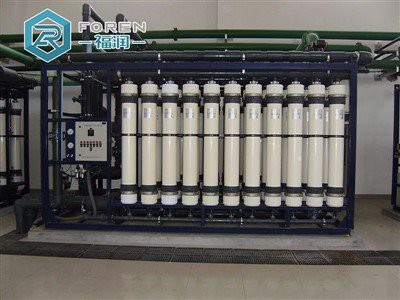
Distillation water treatment equipment is a powerful and efficient way to produce high – purity water. By understanding the basic principles and components of the distillation process, you can make an informed decision when choosing a distillation system for your specific needs.
Stainless Steel Products If you’re interested in learning more about our distillation water treatment equipment or are considering a purchase for your industrial, commercial, or laboratory needs, I encourage you to reach out to our team. We’re here to provide you with detailed information, answer your questions, and help you find the best solution for your water treatment requirements.
References
- "Water Treatment Handbook" by Metcalf & Eddy.
- "Principles of Chemical Engineering" by McCabe, Smith, and Harriott.
- Journal articles on water treatment and distillation processes from scientific journals such as "Water Research" and "Journal of Environmental Science and Health".
Qingzhou Foren Water Treatment Equipment Co., Ltd.
As one of the most professional water treatment equipment manufacturers and suppliers in China, we offer a wide range of products with superior quality. Please feel free to buy customized water treatment equipment made in China here from our factory. Contact us for quotation.
Address: No.999 Haidai North Road, Economic development Zone, Qingzhou City, Shandong Province
E-mail: alice@forenwater.com
WebSite: https://www.forenwater.com/
