Adjusting the tension of crimped wire mesh during installation is a critical step that can significantly impact the performance and longevity of the mesh. As a supplier of crimped wire mesh, I have witnessed firsthand the importance of proper tension adjustment. In this blog, I will share some insights and practical tips on how to adjust the tension of crimped wire mesh during installation. Crimped Wire Mesh
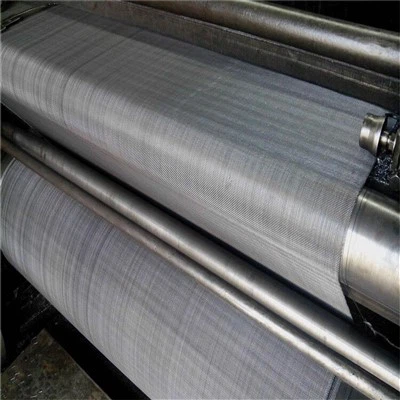
Understanding the Importance of Tension in Crimped Wire Mesh
Crimped wire mesh is commonly used in a variety of applications, including fencing, screening, and filtration. The tension of the mesh plays a crucial role in its ability to withstand external forces, maintain its shape, and provide effective protection. When the mesh is properly tensioned, it can resist sagging, prevent damage from wind, animals, or other external factors, and ensure a secure and stable installation.
Factors Affecting Tension in Crimped Wire Mesh
Several factors can affect the tension of crimped wire mesh during installation. These include:
- Mesh Material and Gauge: Different materials and gauges of wire have varying levels of flexibility and strength. Thicker wires generally require more tension to achieve the desired level of stability, while thinner wires may be more prone to sagging.
- Installation Method: The method used to install the mesh can also impact its tension. For example, using a tensioning device or a proper fastening system can help ensure that the mesh is evenly tensioned across its entire length.
- Environmental Conditions: Environmental factors such as temperature, humidity, and wind can cause the mesh to expand or contract, affecting its tension. It is important to consider these factors when installing the mesh and make adjustments as necessary.
Steps to Adjust the Tension of Crimped Wire Mesh
Here are the steps to adjust the tension of crimped wire mesh during installation:
- Prepare the Installation Area: Before installing the mesh, ensure that the installation area is clean, level, and free of any obstacles. This will help ensure a smooth and even installation.
- Measure and Cut the Mesh: Measure the length and width of the installation area and cut the mesh to the appropriate size. Leave some extra length to allow for tensioning.
- Install the Mesh: Start by attaching one end of the mesh to the support structure using the appropriate fasteners. Make sure the mesh is straight and aligned with the support structure.
- Tension the Mesh: Use a tensioning device or a proper fastening system to apply tension to the mesh. Start at one end of the mesh and work your way across, applying even tension as you go. Make sure the mesh is taut but not over-tightened, as this can cause the mesh to break or damage the support structure.
- Check the Tension: Once the mesh is tensioned, check the tension using a tension gauge or by visually inspecting the mesh. The mesh should be evenly tensioned across its entire length, with no sagging or loose areas.
- Secure the Mesh: Once the tension is adjusted, secure the mesh to the support structure using the appropriate fasteners. Make sure the fasteners are tightened securely to prevent the mesh from coming loose.
Tips for Adjusting the Tension of Crimped Wire Mesh
Here are some tips to help you adjust the tension of crimped wire mesh during installation:
- Use a Tensioning Device: A tensioning device can help ensure that the mesh is evenly tensioned across its entire length. There are several types of tensioning devices available, including ratchet straps, turnbuckles, and tensioning bars.
- Work in Small Sections: When tensioning the mesh, work in small sections to ensure that the tension is evenly distributed. This will help prevent the mesh from sagging or becoming loose in certain areas.
- Check the Tension Regularly: Once the mesh is installed, check the tension regularly to ensure that it remains taut. Over time, the mesh may stretch or loosen due to environmental factors or normal wear and tear.
- Use the Right Fasteners: Using the right fasteners is essential for ensuring a secure and stable installation. Make sure the fasteners are compatible with the mesh material and the support structure.
- Seek Professional Help: If you are unsure how to adjust the tension of the crimped wire mesh or if you encounter any problems during the installation process, seek professional help. A professional installer can provide expert advice and ensure that the mesh is installed correctly.
Conclusion
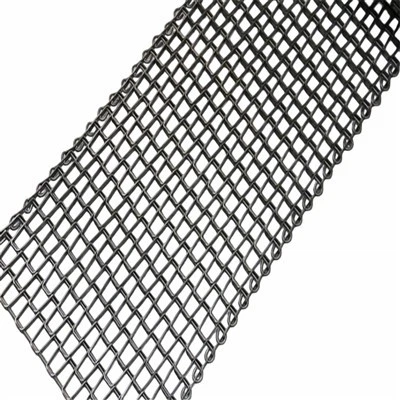
Adjusting the tension of crimped wire mesh during installation is a critical step that can significantly impact the performance and longevity of the mesh. By understanding the importance of tension, considering the factors that affect it, and following the steps and tips outlined in this blog, you can ensure a secure and stable installation of your crimped wire mesh.
Stainless Steel Wire Mesh If you are interested in purchasing crimped wire mesh or have any questions about its installation or tension adjustment, please feel free to contact us. Our team of experts is available to provide you with the information and support you need to make the right decision for your project.
References
- ASTM International. (2019). Standard Specification for Welded and Woven Wire Mesh Fence Fabric. ASTM A497/A497M-19.
- American Fence Association. (2020). Fence Installation Manual.
- Wire Mesh Manufacturers Association. (2021). Technical Information on Wire Mesh.
Anping Chenran Wire Mesh Co., Ltd.
We’re well-known as one of the leading crimped wire mesh manufacturers and suppliers in China. With a professional production team, we are able to meet the needs of the majority of our customers. Please rest assured to buy high quality crimped wire mesh in stock here from our factory.
Address: 500 Meters North of Guozhuang Village, Daziwen Town, Anping County, Hengshui City, Hebei, China
E-mail: sales@chenranwiremesh.com
WebSite: https://www.chenranwiremesh.com/
